
News

ATHENE Researchers show AI Agents frequently disclose private information
AI agents increasingly operate applications such as email, calendars, and to-do lists on their own, drawing on personal data from multiple sources. Prof. Dr. Iryna Gurevych, the first ATHENE Distinguished Professor, and her team at the UKP Lab at TU Darmstadt examined whether these systems keep private information where it belongs and uncovered significant weaknesses.
read more
Kickoff of the “Secure Critical Infrastructure” Lecture Series in the 2026/2027 Winter Term
The 13th lecture series in the “Secure Critical Infrastructure” programme is taking place this winter semester. To kick things off, Prof. Dr. Dr. Christian Reuter, a researcher at ATHENE, will introduce the lecture series and the topic of securing critical infrastructure on October 14.
The series will address various critical infrastructures and their security challenges. Speakers from research institutions, companies, government agencies and critical infrastructure operators have been invited to give specialised presentations on specific aspects of the topic. The 'Secure Critical Infrastructures' lecture series is organised by ATHENE researchers Prof. Dr.-Ing. Matthias Hollick, Prof. Dr. Dr. Christian Reuter and Prof. Dr. Jens Ivo Engels.
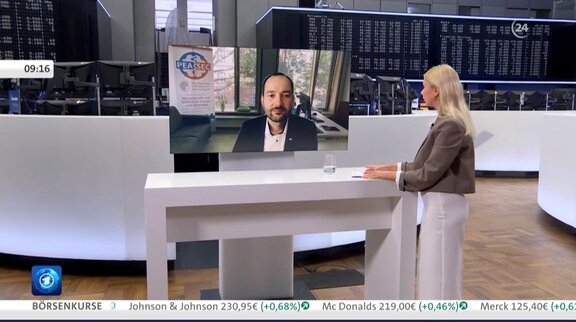
How Vulnerable Is Our Economy 25 Years After 9/11? Christian Reuter in live-Interview with tagesschau24
Prof. Dr. Dr. Christian Reuter spoke on the tagesschau24 programme Update Wirtschaft on the occasion of the 25th anniversary of the 9/11 attacks. The interview addressed the vulnerability of the economy to infrastructure attacks, societal resilience, and research at TU Darmstadt within emergenCITY and ATHENE.
read more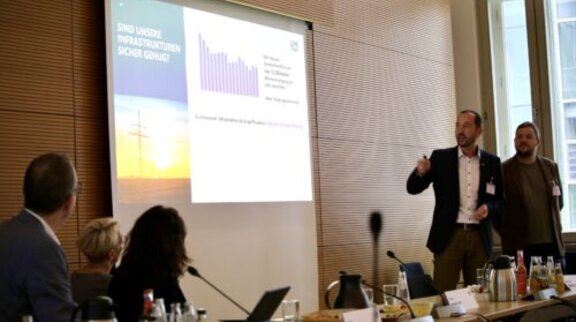
Shaping Democracy – Strengthening Resilience: ATHENE researchers engage in dialogue with policymakers in the German Bundestag
Democratic processes are under pressure, and critical infrastructure and digital environments are becoming targets of attacks and manipulation. How can RMU’s expertise contribute to solutions—and be linked to political perspectives and needs?
read more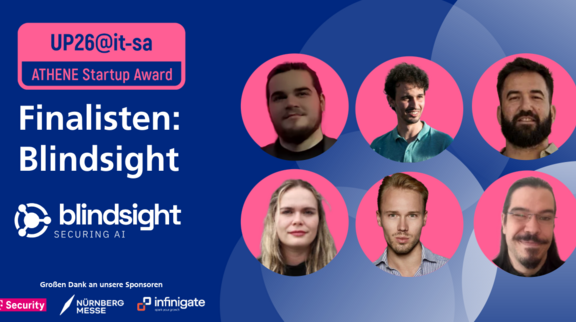
ATHENE UP26@it-sa finalists: An interview with Blindsight
Blindsight provides transparency across the entire AI stack – from prompt injection to shadow AI. It was founded by ethical hacking expert Guilherme Santos, who repeatedly discovered the same vulnerabilities in supposedly secure AI systems. The aim: not to ban the use of AI, but to make it secure.
read more
Contact
Clara Pfeuffer
ATHENE Digital Hub Cybersecurity
ATHENE Digital Hub Cybersecurity